
Sharm El Sheikh – Travel, Tourism & News Hub
When talking about Sharm El Sheikh, a resort city on the southern tip of Egypt’s Sinai Peninsula facing the Red Sea. Also known as Sharm, it serves as a gateway for beach lovers and adventure seekers alike.
The city Sharm El Sheikh thrives because of its unique blend of natural beauty and modern amenities. Red Sea, the warm, clear water body bordering the city provides the perfect backdrop for marine activities, while tourism, the main economic driver that fuels hotels, restaurants and local businesses fuels job creation and infrastructure growth. In short, Sharm El Sheikh encompasses Red Sea tourism and requires a robust hospitality sector to keep visitors coming back.
Adventure and Dive Culture
One of the city’s biggest draws is scuba diving, the sport that lets tourists explore vibrant coral reefs and shipwrecks. Dive operators have built a network of training schools, equipment rentals and guided tours, making the experience accessible for beginners and seasoned divers. Because Sharm El Sheikh requires scuba diving infrastructure, the local economy benefits from certifications, gear sales and high‑margin tour packages. This relationship creates a feedback loop: better dive services attract more enthusiasts, which in turn funds reef conservation and marine research.
Beyond diving, the city’s long, sandy beaches offer sun‑bathing, windsurfing and family‑friendly activities. The climate is consistently warm, with average temperatures hovering around 30°C (86°F) during the peak season. This reliable weather pattern makes it easy for hotels to plan events, conferences and festivals year‑round, reinforcing the city’s reputation as a versatile destination.
Economic impact extends past leisure. hospitality, the sector that includes hotels, resorts, and catering services accounts for a sizable share of local revenue, supporting everything from small cafés to luxury five‑star resorts. Investment in new hotel wings, upgraded conference centers and eco‑friendly construction projects keeps the city competitive against other Mediterranean spots. As a result, Sharm El Sheikh influences regional employment rates and contributes to Egypt’s overall tourism earnings.
Travel connectivity is another crucial piece. The city is served by Sharm El Sheikh International Airport, a modern hub that links the region to Europe, the Middle East and Africa. Frequent charter flights and seasonal routes make it simple for tourists to reach the Red Sea coast without long layovers. The airport’s growth reflects the city’s rising popularity and further stimulates local businesses, from taxi services to souvenir shops.
All these elements—marine attractions, reliable climate, robust hospitality, and solid transport links—form a tightly knit ecosystem. Sharm El Sheikh influences regional development, while the surrounding Sinai area benefits from spill‑over effects such as improved roads and increased investment in renewable energy. The city’s story is one of continuous adaptation, where each new resort or dive center adds another layer to its vibrant tapestry.
Below, you’ll find a curated list of recent articles that dive deeper into the city’s latest developments, travel tips, and news from the broader region. Whether you’re planning a trip, researching market trends, or simply curious about how Sharm El Sheikh stays ahead of the curve, the collection offers practical insights you can use right away.
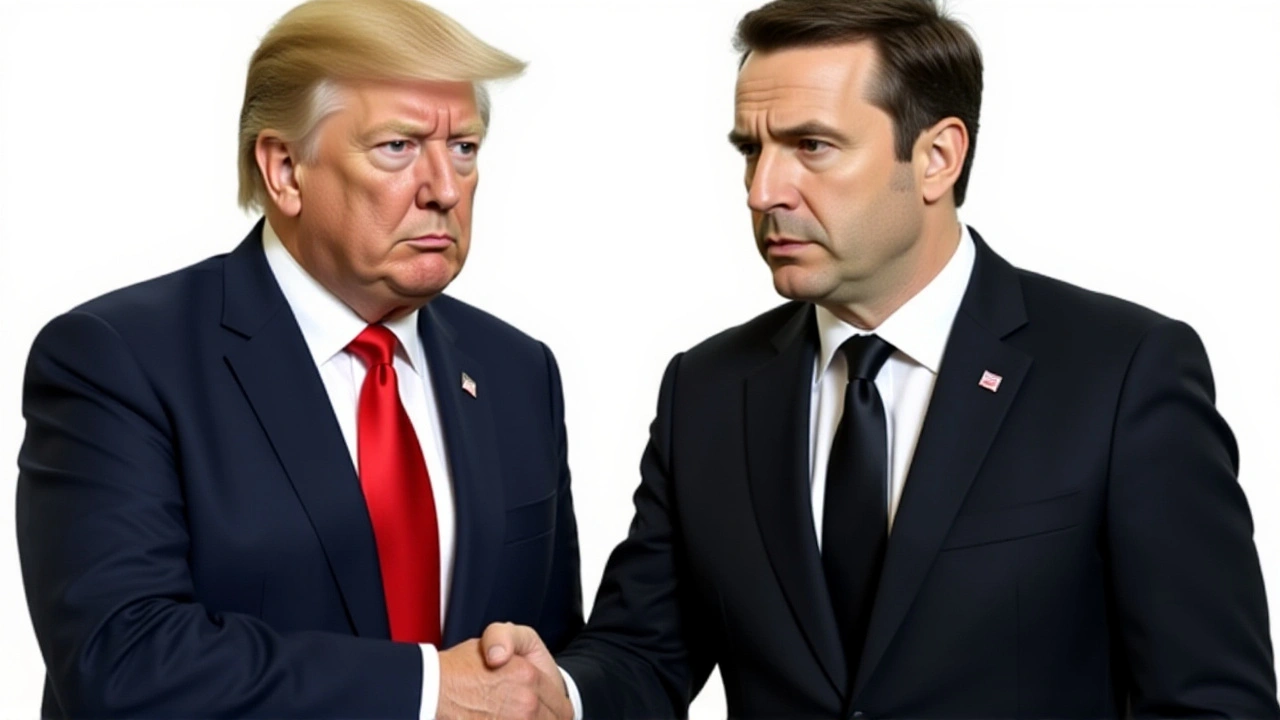
Trump and Macron’s 27‑Second Handshake Sparks Diplomatic Drama at Sharm El Sheikh Summit
Trump and Macron's 27‑second handshake at the Sharm El Sheikh summit ignited viral debate and highlighted diplomatic strains amid Gaza peace talks.