
ASUU – Academic Staff Union of Universities
When talking about ASUU, the Academic Staff Union of Universities, Nigeria’s largest teachers’ union that negotiates wages, salaries, and working conditions for university staff. Also known as Academic Staff Union, it plays a pivotal role in the country’s higher‑education landscape. ASUU isn’t just a bargaining body; it’s a catalyst for policy debates, budget allocations, and campus climate. Its actions reverberate through lecture halls, research labs, and even the national economy.
Why university strikes matter
University Strikes, periodic work stoppages by academic staff that halt teaching, exams, and research are the most visible symptom of deeper funding gaps. When ASUU calls a strike, it signals that salaries lag behind inflation, that research grants are scarce, and that university infrastructure is crumbling. The ripple effect hits students, who may lose semesters, and employers, who face delayed graduations. Understanding this chain helps you see why each press release matters beyond campus borders.
Another key piece of the puzzle is Higher Education Funding, government allocations, tuition policies, and donor contributions that sustain universities. ASUU often demands a clear, transparent formula for disbursing funds, arguing that predictable budgets boost morale and research output. When the treasury adjusts the education budget, you’ll notice a corresponding shift in strike intensity. Tracking funding trends therefore gives you a front‑row seat to the negotiation table.
Student activism also shapes the conversation. Student Protests, collective actions by university learners demanding better services, lower fees, or faster resolutions to strikes can pressure both ASUU and the government to find compromise. In many cases, student groups have partnered with ASUU to amplify demands for fair pay and improved facilities. The dynamic between staff unions and student bodies creates a feedback loop that influences education policy at the national level.
Finally, the broader Nigerian Education Policy, legislative framework governing curricula, accreditation, and university governance sets the stage for every dispute. Recent reforms aim to streamline university administration, but they also raise questions about union rights and collective bargaining. ASUU’s response to policy changes often becomes a benchmark for how other professional unions will react.
Putting these pieces together, you see a clear semantic network: ASUU encompasses university strikes, which require higher education funding, which in turn is shaped by Nigerian education policy; student protests intersect with each of these elements, driving negotiation outcomes. This web explains why news about salary increments, budget announcements, or campus sit‑ins matters to anyone following the education sector.
Below you’ll find a curated selection of recent stories that illustrate these connections. From grant‑date updates that affect university staff salaries to reports on mental‑health crises on campuses, each article adds a layer to the bigger picture. Dive in to see how ASUU’s agenda unfolds across the country and what it means for students, faculty, and policymakers alike.
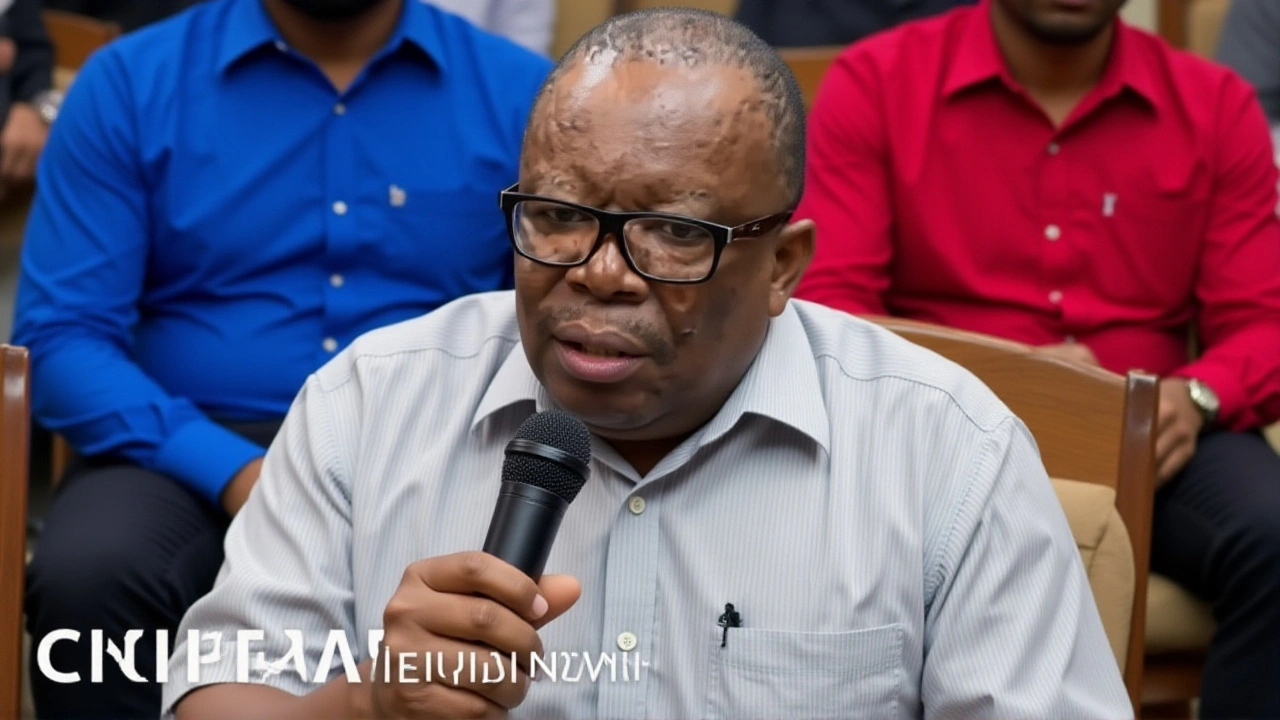
ASUU President Slams Crowdfunding Drive by ‘Ordinary President’ Ahmad Isah
ASUU President Emmanuel Osodeke rebuffs Ahmad Isah's crowdfunding drive, ordering a shutdown amid Nigeria's ongoing university strike and demanding proper funding.