
Abuja – News, Politics, and Growth in Nigeria’s Capital
When talking about Abuja, the planned federal capital of Nigeria, known for its modern architecture and bustling diplomatic scene. Also called the Federal Capital Territory, Abuja serves as the administrative heart of a country housing over 200 million people. Its grid‑like layout, built in the 1980s, blends government complexes with vibrant markets, making it a unique mix of policy‑driven design and everyday life. This setting shapes every story you’ll find below – from grant announcements that affect older citizens to mental‑health challenges flagged across the north, and from sporting events that ripple through the city to international diplomatic moments that echo in its ministries.
How Abuja Connects to Nigeria, Government Action, and Regional Trends
Understanding Abuja means looking at Nigeria, West Africa’s most populous nation with a diverse economy, rich cultural tapestry, and evolving democratic institutions. The capital hosts the presidential office, National Assembly, and Supreme Court, so any shift in national policy quickly filters through Abuja’s corridors. For example, the recent SASSA grant schedule in South Africa sparks conversations about social safety nets in Nigeria, where the government is reviewing pension payouts for older persons. Likewise, Nigeria’s mental‑health crisis, highlighted by a 85 % treatment gap in the north, fuels new clinics and outreach programs that are coordinated from ministries based in Abuja. These links illustrate the semantic triple: Abuja requires strong government coordination, and the Nigerian economy influences funding decisions in the capital.
Another key player is the Federal Government, the executive authority that drives infrastructure, health, and education projects across the country. Its budget allocations decide whether new highways, like the Abuja‑Lagos expressway, get green‑lit, or whether public hospitals receive mental‑health specialists. Recent debates over the baby‑bonus proposal in the United States have inspired Nigerian lawmakers in Abuja to examine similar incentives for increasing birth rates, showing how international ideas can reshape local policy. The relationship can be phrased as a triple: Federal Government influences Abuja’s urban development, while Abuja’s planning needs reflect national growth targets. Finally, the city’s role in African diplomacy, the network of continental bodies, summits, and bilateral talks that shape the region’s future adds another layer. Handshakes at the Sharm El Sheikh summit, like the 27‑second exchange between Trump and Macron, were dissected in Abuja’s foreign‑policy circles, influencing how Nigeria positions itself on peace talks and trade deals. This yields the triple: Africa’s diplomatic events influence Abuja’s foreign‑policy agenda, and Abuja’s ministries help steer the continent’s political direction.
All these threads – national budgeting, health crises, international diplomatic moments, and economic incentives – intertwine in the capital’s daily rhythm. They give context to the articles you’ll see next: grant date updates, mental‑health reports, sports highlights, and political analyses that all trace back to decisions made within Abuja’s walls.
Below you’ll find a curated mix of stories that reflect how Abuja’s pulse reverberates through the nation and beyond. From policy shifts affecting older citizens to sports moments that light up the city’s stadiums, each piece shows a facet of the capital’s influence. Dive in to see how the city’s governance, economy, and cultural scene shape the headlines you care about.
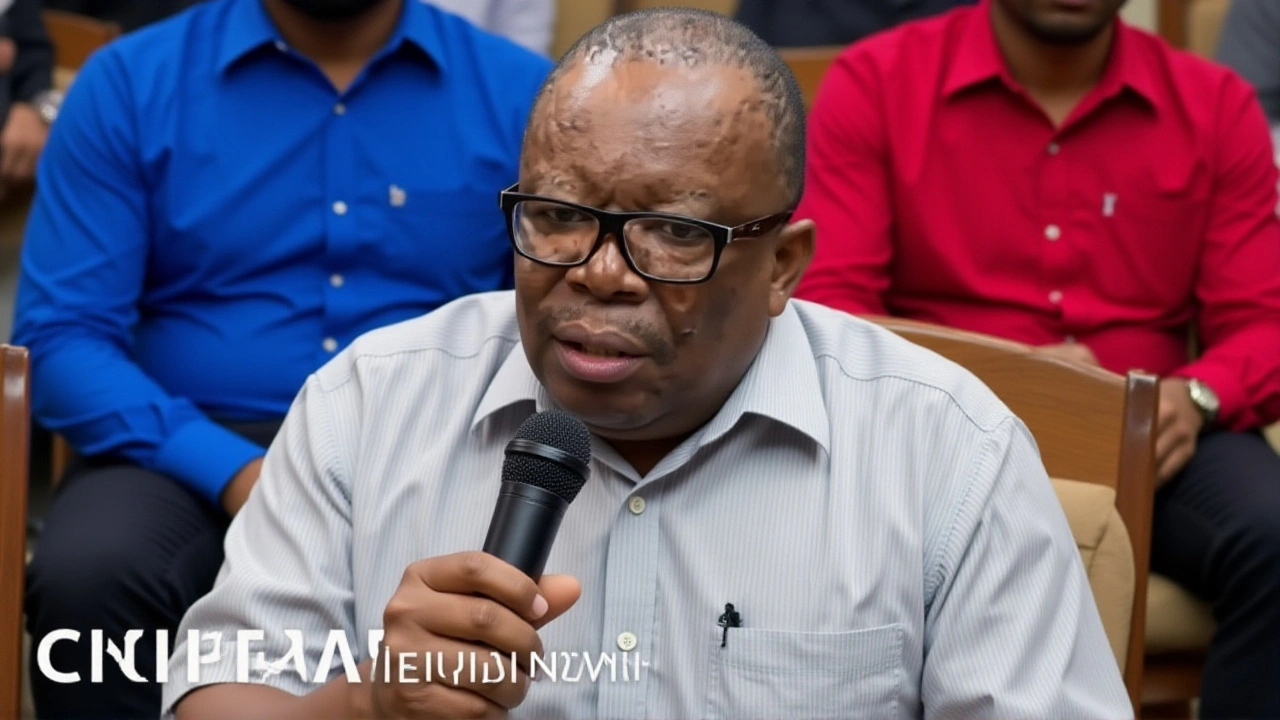
ASUU President Slams Crowdfunding Drive by ‘Ordinary President’ Ahmad Isah
ASUU President Emmanuel Osodeke rebuffs Ahmad Isah's crowdfunding drive, ordering a shutdown amid Nigeria's ongoing university strike and demanding proper funding.