
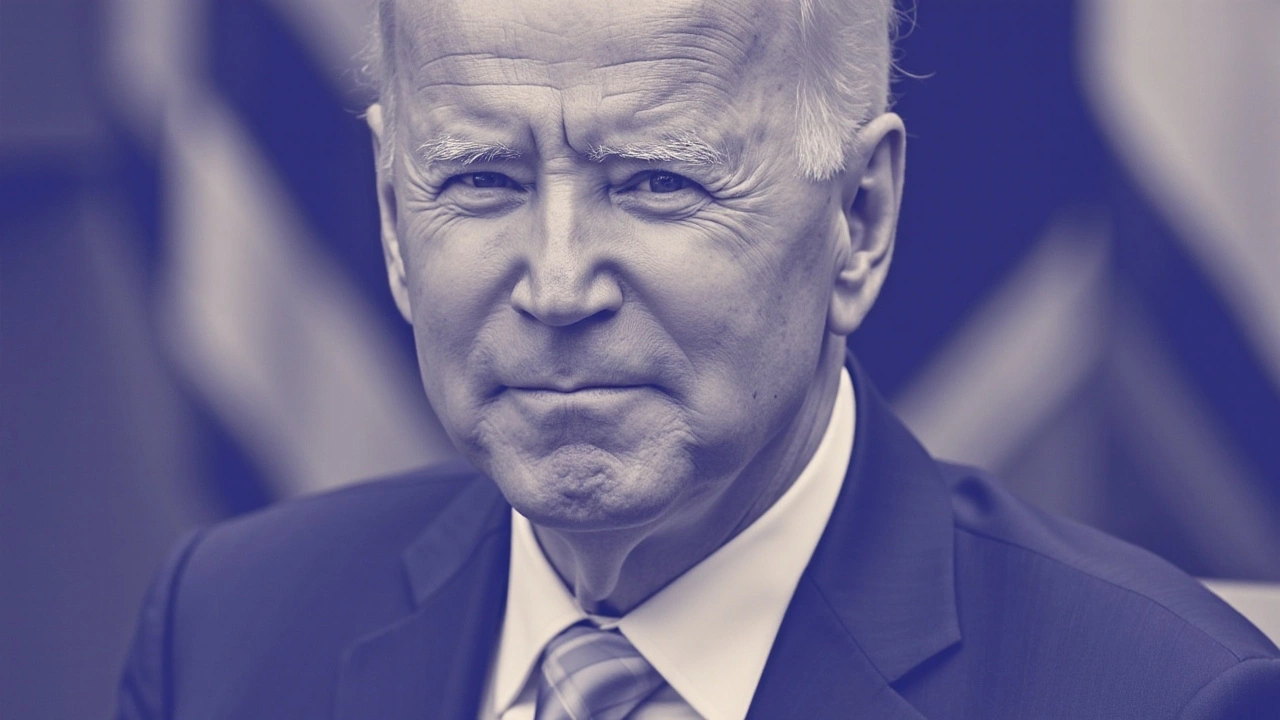
The Political Stakes in 2024: A Catalyst for Trump's Return
In the complex game of American politics, one event has taken the world by storm: Donald Trump's unexpected comeback in the 2024 presidential election. While some may view this as merely another election result, insightful observers recognize it as an intricate reflection on the administration of his predecessor, Joe Biden. Trump's resurgence is emblematic of a broader narrative woven into the tapestry of Biden's tenure, raising questions about how his governance—or lack thereof—served to embolden Trump's re-emergence.
From the onset of Biden's presidency, there was a palpable urgency to undo the legacies left behind by the Trump administration. Indeed, many saw his leadership as a therapeutic respite from the bombast and unpredictability that had characterized Trump's first term. Yet, despite this initial wave of optimism, myriad challenges soon surfaced, casting shadows over Biden's potential legacy. Economic struggles, social unrest, and a pandemic-ravaged society begged for action—action that critics argue Biden repeatedly failed to deliver in a manner resonating with the everyday American.
A Maverick's Vision: Biden's Flawed Approach
Throughout Biden's term, a glaring strategy became evident: a focus on Trump's controversial character rather than on policy delineation. While the moral high ground was frequently asserted by the Biden camp, it appears that many potential voters found themselves searching for tangible solutions to their daily predicaments rather than rhetorical condemnations of the past. The notion of ‘Trump the man’ versus ‘Biden the leader’ was promulgated heavily, yet the specter of pressing socioeconomic issues remained inadequately addressed.
Efforts to revive the economy were mired in bureaucracy, and initiatives meant to alleviate societal divides often stumbled at conceptualization or implementation stages. This left room for Trump's advisors to exploit these narratives, painting Biden as out of touch with grassroots concerns and reinvigorating the populist tone that once carried Trump to the helm.
The Democratic Dilemma: A Leadership Lost at Sea
Perhaps one of the most striking observations from the 2024 election is not just Biden’s influence but the broader implications on Democratic Party strategies. Throughout the campaign, the Democrats appeared rife with internal discord, unable to project a united vision that resonated with the broader American populace. While the commitment to progressive values was articulated, it often seemed overshadowed by disorganization and an inability to convey an actionable roadmap to the electorate.
Instead of robustly countering Trump’s law and order rhetoric with nuanced, well-rounded policy proposals addressing systemic issues, the Democratic discourse often reverted to ad hominem attacks against Trump himself. Meanwhile, Trump’s campaign capitalized on this divide, effectively branding Democrats as lost in an elite echo chamber, distanced from the common person’s plight.
Trump's Triumph: The Persistent Force of Populism
Turning to the Republican side, Trump’s victory is not just emblematic of political acumen but rather a testament to the might of enduring populism. During the election, the Trump campaign adeptly wielded messages stressing economic populism and law and order—both compelling narratives for Americans weary of perceived governmental inadequacies. In simple yet piercing language, Trump's rhetoric cut through complex discourse and addressed base-level anxieties that Biden repeatedly seemed to overlook.
Underneath the hullabaloo of campaign rallies and social media flair lies a more somber truth: Trump’s brand of politics has fundamentally altered the Republican Party's fabric, setting a new paradigm for conservative strategy moving forward. His impact has resonated beyond a single election cycle, signaling a potential shift in broader American political dynamics.
Biden's Legacy: A Reminder of Unintended Outcomes
As political analysts, commentators, and citizens alike process the implications of the 2024 election, a recurring theme surfaces: Biden’s notable inability to halt the Trump train. Amidst debates about policy failures or circumstantial misfortunes, the narrative suggests Biden's legacy may ultimately be remembered not for what he achieved but what his strategic missteps inadvertently forged.
Looking forward, the landscape of American politics is poised on a precipice, with debates about governance effectiveness and party identity continuing to unfold. The lessons gleaned—embodied by successive campaigns—urge leaders and voters alike to embrace introspection in crafting a political environment reflective not just of idealism but also responsive understanding. For now, Trump's second term unfolds as a complex tapestry woven from a myriad of errors, decisions, and, for many, an unexpected political reality.
also why is everyone acting surprised? this is america.
We don’t elect policies anymore. We elect catharsis. And in 2024, catharsis came with a red hat and a Twitter feed.
The real question isn’t who won the election-it’s whether we’re still capable of having a conversation that doesn’t end in a scream.